
Scotland, a country steeped in history and rich architectural heritage, is often associated with its picturesque lochs and majestic mountains. However, its numerous castles are equally iconic and deserve a special mention. With an estimated 3,000 castles spread across the country, visitors are never too far away from an awe-inspiring fortress.
In this article, we journey through the historic castles of Scotland, highlighting some of the most renowned and captivating landmarks that showcase the country’s rich history and architectural prowess. Each castle has a unique story to tell, and we delve into their past to uncover the tales of battles, royalty, and nobility that have shaped Scotland’s landscape.
1. Edinburgh Castle
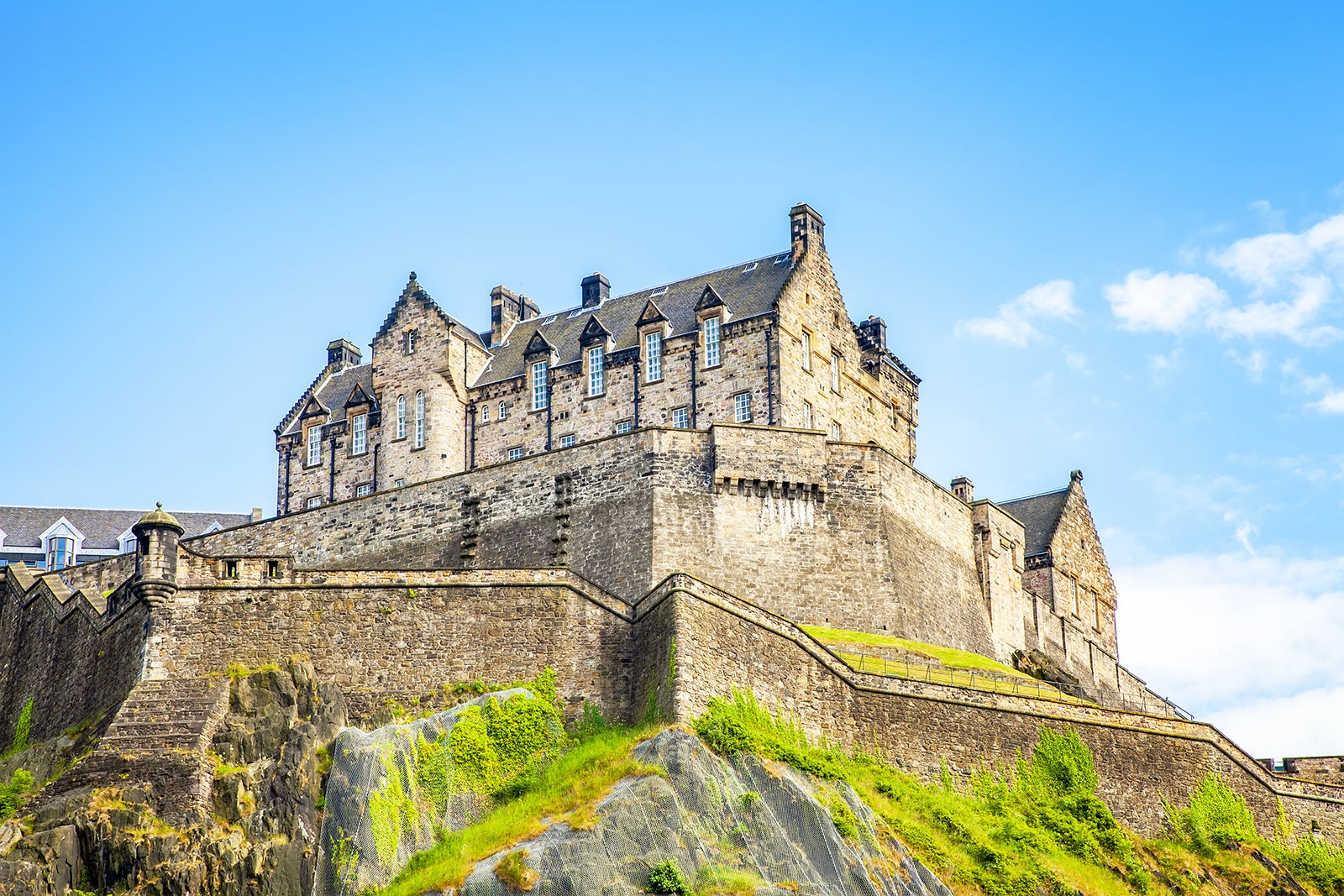
Edinburgh Castle, perched on an extinct volcanic rock, is undoubtedly one of Scotland’s most famous and well-preserved castles. Located in the heart of the city, this fortress has played a significant role in Scotland’s history, serving as a royal residence, military garrison, and prison over the centuries. The castle houses the Scottish Crown Jewels and the Stone of Destiny, making it an essential stop for history enthusiasts.
History and Architecture
Edinburgh Castle dates back to the 12th century and has since undergone numerous transformations. The oldest surviving structure in the castle complex is St. Margaret’s Chapel, built in the early 12th century. The Great Hall, constructed in the 16th century, showcases Scotland’s medieval craftsmanship with its intricate hammerbeam roof.
Visiting Edinburgh Castle
Visitors can explore the castle grounds and learn about its history through guided tours or audio guides. The Royal Mile, a bustling historic street, connects the castle to the Palace of Holyroodhouse, offering a pleasant walk filled with shops, restaurants, and centuries-old buildings.
2. Dunnottar Castle
Perched on a rugged cliff overlooking the North Sea, Dunnottar Castle is a breathtaking fortress with an equally impressive history. Located near Stonehaven on Scotland’s east coast, this medieval ruin is an essential stop for anyone looking to immerse themselves in the country’s rich past.
History and Architecture
Dunnottar Castle’s origins date back to the Early Middle Ages, with the current ruins mostly stemming from the 15th and 16th centuries. Its strategic location made it an essential stronghold for Scottish nobility, serving as the hiding place of the Scottish Crown Jewels during the English invasion in the 17th century.
Visiting Dunnottar Castle
Access to the castle is via a steep path, offering visitors stunning views of the surrounding landscape. Once inside, guests can explore the various buildings and learn about the castle’s storied past, including its role in the Wars of Scottish Independence and its connection to Scottish hero William Wallace.
3. Balmoral Castle
Nestled in the picturesque landscape of Royal Deeside, Balmoral Castle is the Scottish residence of the British Royal Family. This grand estate is not only one of the largest castles in Scotland but also a shining example of Scottish Baronial architecture.
History and Architecture
The original Balmoral Castle dated back to the 15th century; however, it was deemed too small by Queen Victoria and Prince Albert, who fell in love with the region and its people. Prince Albert designed the current castle, which was completed in 1856, and it has since served as a beloved retreat for the royal family.
Visiting Balmoral Castle
While the castle’s private apartments are not open to the public, visitors can explore the extensive grounds, formal gardens, and the Balmoral Estate’s working farm. Guided tours are also available, providing insights into the castle’s history and its connection to the British monarchy.
4. Inveraray Castle
Situated on the shores of Loch Fyne, Inveraray Castle is a striking Gothic Revival fortress that has been the seat of the Dukes of Argyll since the late 18th century. With its imposing facade and sumptuous interior, Inveraray Castle is a must-visit for anyone interested in Scotland’s noble history.
History and Architecture
Constructed between 1743 and 1789, Inveraray Castle features a symmetrical design adorned with turrets and conical roofs. The castle’s interior is equally remarkable, boasting neoclassical design elements and priceless Beauvais tapestries. The castle has also made appearances on popular TV shows, including Downton Abbey.
Visiting Inveraray Castle
Guided tours of Inveraray Castle offer visitors the opportunity to explore its magnificent rooms, including the State Dining Room, Tapestry Drawing Room, and Armoury Hall. The surrounding gardens and woodlands provide a tranquil setting for a leisurely stroll, while the nearby town of Inveraray offers charming shops and eateries.
5. Stirling Castle
Located atop a volcanic crag, Stirling Castle is one of Scotland’s most historically significant fortresses. It has played a pivotal role in the country’s history, serving as a royal residence and military stronghold during the Wars of Scottish Independence.
History and Architecture
Stirling Castle’s origins can be traced back to the early 12th century, with most of the current buildings dating from the 15th and 16th centuries. The castle features a blend of architectural styles, including Renaissance and Gothic influences. Notable structures within the castle complex include the Great Hall, Royal Palace, and Chapel Royal.
Visiting Stirling Castle
Visitors can explore Stirling Castle through guided tours, which provide insights into the castle’s rich history and its connections to famous Scottish figures such as William Wallace and Mary, Queen of Scots. The nearby Wallace Monument and Battle of Bannockburn Visitor Centre offer further opportunities to delve into Scotland’s turbulent past.
6. Eilean Donan Castle
Eilean Donan Castle, situated on a small tidal island where three sea lochs meet, is undoubtedly one of Scotland’s most iconic and romantic castles. With its picturesque setting and fascinating history, this 13th-century fortress is a must-see on any Scottish castle tour.
History and Architecture
Originally built in the 13th century as a defensive stronghold, Eilean Donan Castle has undergone several reconstructions over the centuries. The current structure dates back to the early 20th century when Lieutenant Colonel John MacRae-Gilstrap purchased the island and embarked on an ambitious restoration project. The castle now serves as the ancestral home of Clan MacRae.
Visiting Eilean Donan Castle
Visitors can explore the castle’s rooms and learn about its storied past through informative displays and exhibits. The surrounding area offers stunning views of the Scottish landscape, making for a truly unforgettable experience.
7. Glengorm Castle
Located on the Isle of Mull, Glengorm Castle is a 19th-century fortress that offers visitors a unique blend of history, natural beauty, and modern luxury. Surrounded by lush gardens and stunning coastal scenery, Glengorm Castle is an ideal destination for a romantic getaway or a relaxing retreat.
History and Architecture
Glengorm Castle was built in 1860 by James Forsyth of Quinish, a wealthy merchant and landowner. The castle features a distinctive Scottish Baronial style, with imposing turrets and conical roofs that blend seamlessly with the surrounding landscape.
Visiting Glengorm Castle
While the castle itself is not open to the public, visitors can stay in one of the luxurious self-catering cottages or apartments on the estate. The surrounding area offers a wealth of activities, including birdwatching, hiking, and exploring the nearby beaches and ancient ruins.
8. Urquhart Castle
Perched on the banks of the famous Loch Ness, Urquhart Castle is a medieval fortress with a turbulent history and stunning views. Its picturesque ruins and intriguing past make it a popular destination for visitors to the Scottish Highlands.
History and Architecture
Urquhart Castle dates back to the 13th century and has played a significant role in Scotland’s history, particularly during the Wars of Scottish Independence. The castle changed hands several times between the English and Scottish forces, and its strategic location made it a coveted prize for both sides.
Visiting Urquhart Castle
Visitors can explore the castle’s ruins and learn about its fascinating history through interactive displays and exhibits at the visitor center. The stunning views of Loch Ness and the surrounding landscape provide a breathtaking backdrop for a leisurely stroll or a scenic picnic.
9. Culzean Castle
Located on the Ayrshire coast, Culzean Castle is an 18th-century fortress that offers a unique blend of history, natural beauty, and modern luxury. The castle’s clifftop location provides stunning views of the Firth of Clyde and the surrounding landscape.
History and Architecture
Culzean Castle was built between 1777 and 1792 by renowned architect Robert Adam for the 10th Earl of Cassillis, David Kennedy. The castle features a blend of neo-classical and Scottish Baronial architectural styles, with elegant interiors and ornate decorations.
Visiting Culzean Castle
Visitors can explore the castle’s rooms, which include the Oval Staircase, State Dining Room, and the impressive Armoury. The surrounding estate offers a wealth of activities, including guided walks, wildlife spotting, and exploring the picturesque gardens and woodlands.
10. Glamis Castle
Glamis Castle, located in the heart of Angus, is a magnificent 14th-century fortress with a rich history and a reputation for being one of Scotland’s most haunted castles. The ancestral home of the Earls of Strathmore and Kinghorne, Glamis Castle has been a royal residence since 1372 and is famously known as the childhood home of Queen Elizabeth, the Queen Mother.
History and Architecture
Glamis Castle features a blend of architectural styles, including medieval, Jacobean, and Victorian elements. The castle’s interior is lavishly decorated, with intricate plasterwork ceilings, ornate wood carvings, and an impressive collection of artwork and antiques.
Visiting Glamis Castle
Guided tours of Glamis Castle offer visitors the opportunity to explore the castle’s sumptuous rooms and learn about its storied past, including its connections to Shakespeare’s Macbeth and the legend of the Monster of Glamis. The surrounding gardens and grounds provide a tranquil setting for a leisurely stroll or a scenic picnic.
In conclusion, Scotland’s historic castles offer visitors a unique opportunity to immerse themselves in the country’s rich history and architectural heritage. Each castle has its own unique story to tell, and exploring these magnificent structures is a must for anyone visiting Scotland.
0 Comment