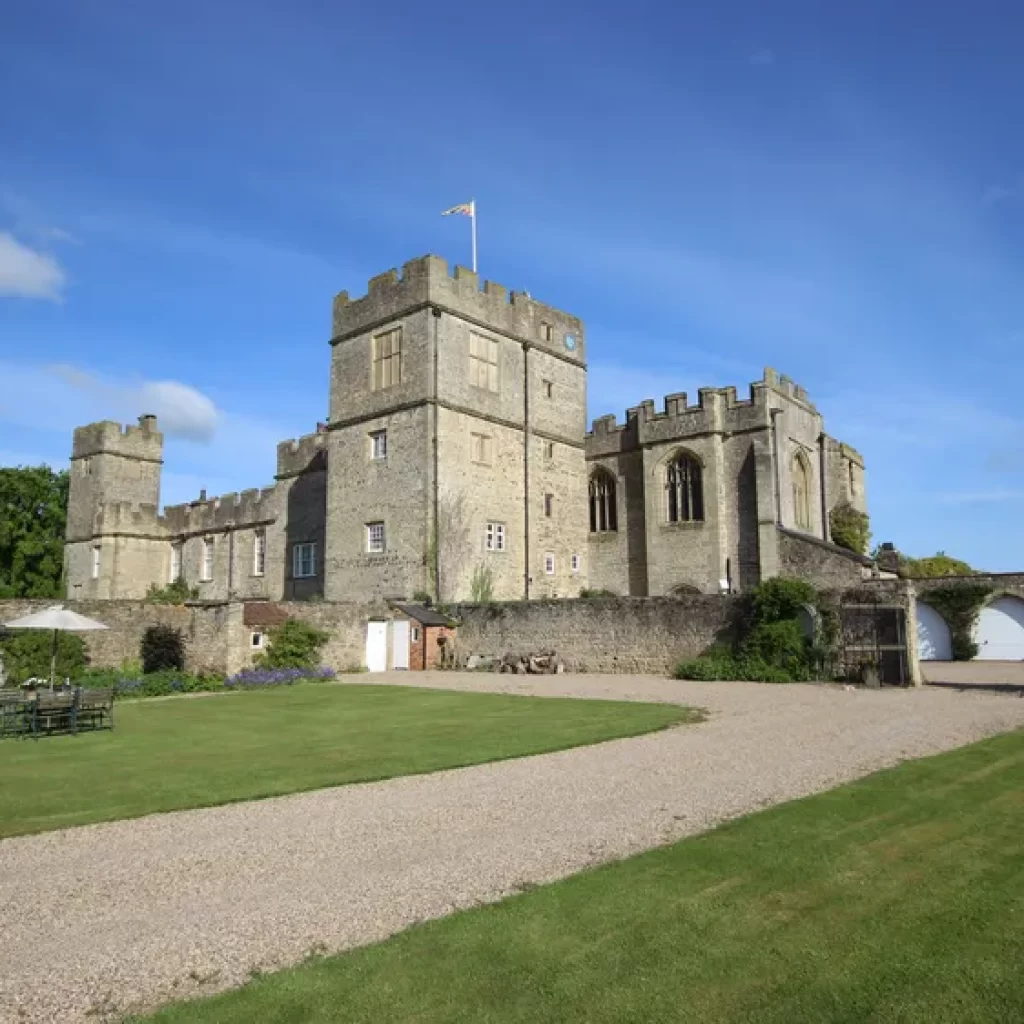
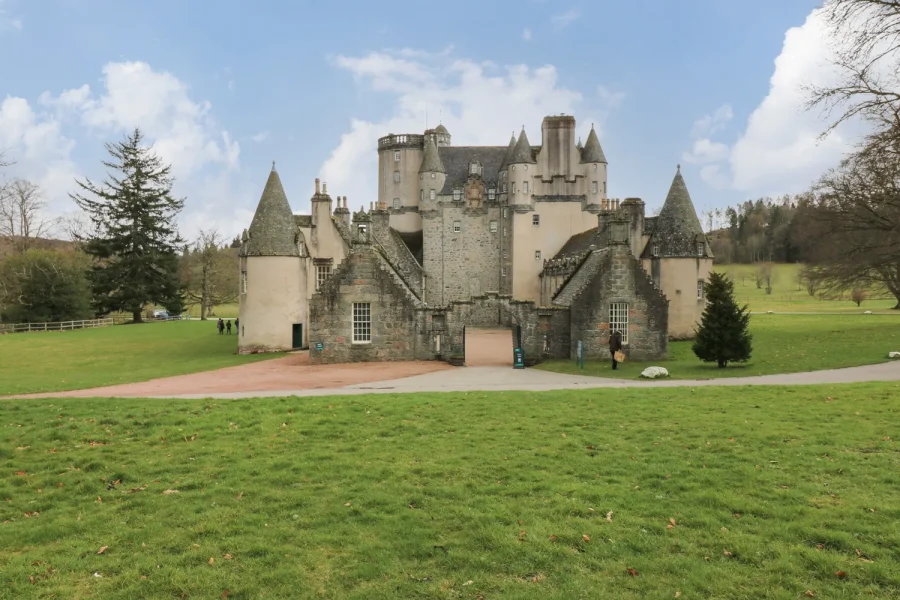
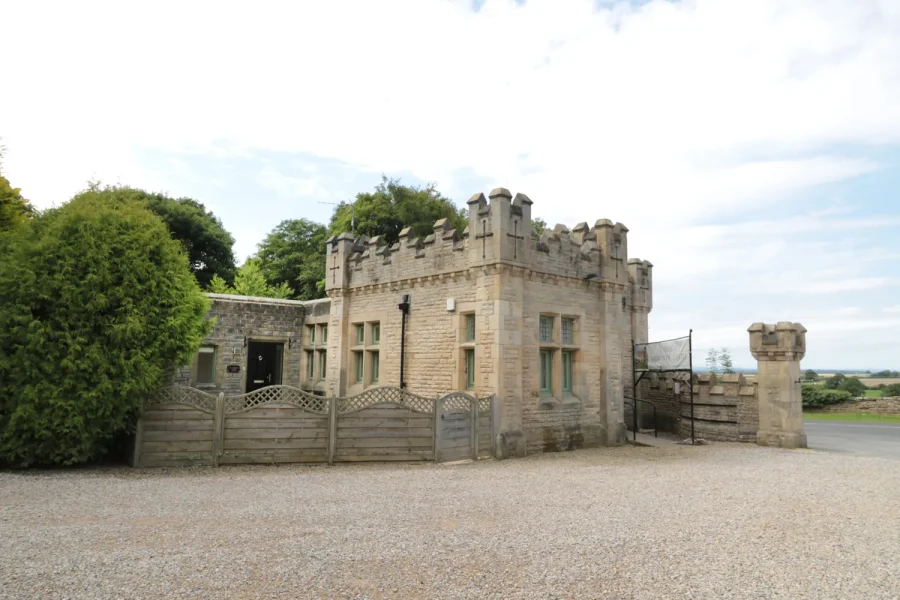
The Dawn of the Medieval Castle: Origins and Evolution Medieval castles were forged as both defensive structures and residences of noblemen. The Normans introduced the very first motte and bailey castles to England following their invasion in 1066. These earthwork enclosures were designed to assert power and control over the newly conquered territories, merging military prowess with a display of social status.
Throughout the Middle Ages, castles underwent significant development, adapting to advancements in warfare and the changing needs of their noble inhabitants. From modest timber and earthwork constructions to mighty stone fortresses, these structures have evolved, reflecting the complex and ever-shifting landscape of medieval England. The Motte and Bailey: The Birth of the Castle The motte and bailey castle, characterized by its raised earthen mound (motte) and enclosed courtyard (bailey), was the earliest form of medieval castle in England. Built by the Normans in the wake of their invasion, these rudimentary fortifications provided a crucial foothold for the conquerors as they sought to consolidate power and subdue the native populace.
As the medieval period progressed, the need for stronger, more enduring castles became apparent. The transition from timber to stone marked a significant leap in the evolution of the castle, offering improved defenses against enemy attack and a more imposing visual presence. The stone castle would come to define the English landscape, its sturdy walls and soaring towers symbolizing the authority of the ruling elite.